


Wednesday marked the deadliest day in Lebanon since cross-border fighting erupted between the militants and Israel nearly a year ago. Hand-held radios used by Hezbollah detonated across Lebanon’s south, amplifying tensions in the country after similar explosions of the group’s pagers the day before.
Lebanon’s health ministry reported that 20 people were killed and over 450 injured on Wednesday in the suburbs of Beirut and the Bekaa Valley. Additionally, the death toll from Tuesday’s explosions has increased to 12, including two children, with nearly 3,000 people injured. Israel has remained tight-lipped on the attacks, but security sources suspect Israel’s Mossad’s involvement. One Hezbollah official told Reuters that the episode was the biggest security breach in the group’s history.
🚨🚨🚨🚨
We are responding with 30 ambulance teams to multiple explosions in different areas including the South of Lebanon and the Bekaa Valley.🚨🚨🚨🚨
More teams from the #LebaneseRedCross are on high alert and ready to intervene. pic.twitter.com/41ZhkIjfnG— Lebanese Red Cross (@RedCrossLebanon) September 18, 2024
“We are opening a new phase in the war. It requires courage, determination, and perseverance from us,” Israeli Defense Minister Yoav Gallant said in remarks at an air force base. To back these accusations, Jordan’s Foreign Minister Ayman Safadi condemned Israel for pushing the Middle East “to the brink of a regional war by orchestrating a dangerous escalation on many fronts.”
The Hezbollah transitioned to low-tech communication devices like pagers and walkie-talkies to evade Israel’s omnipresent surveillance on mobile devices. Following the killing of Hezbollah leadership in targeted Israeli airstrikes, the Iran-backed Lebanese militant group chose to adopt rudimentary communication devices to block Israeli infiltration. These include landline phones and pagers that carry coded messages across the Hezbollah network. Images of the exploded walkie-talkies displayed labels with the name of the Japanese radio communications and telephone company, ICOM (6208.T), and resembled the company’s IC-V82 model. On Tuesday, ICOM confirmed that it is actively investigating news claims of two-way radio devices bearing its logo present at the Lebanon attacks.
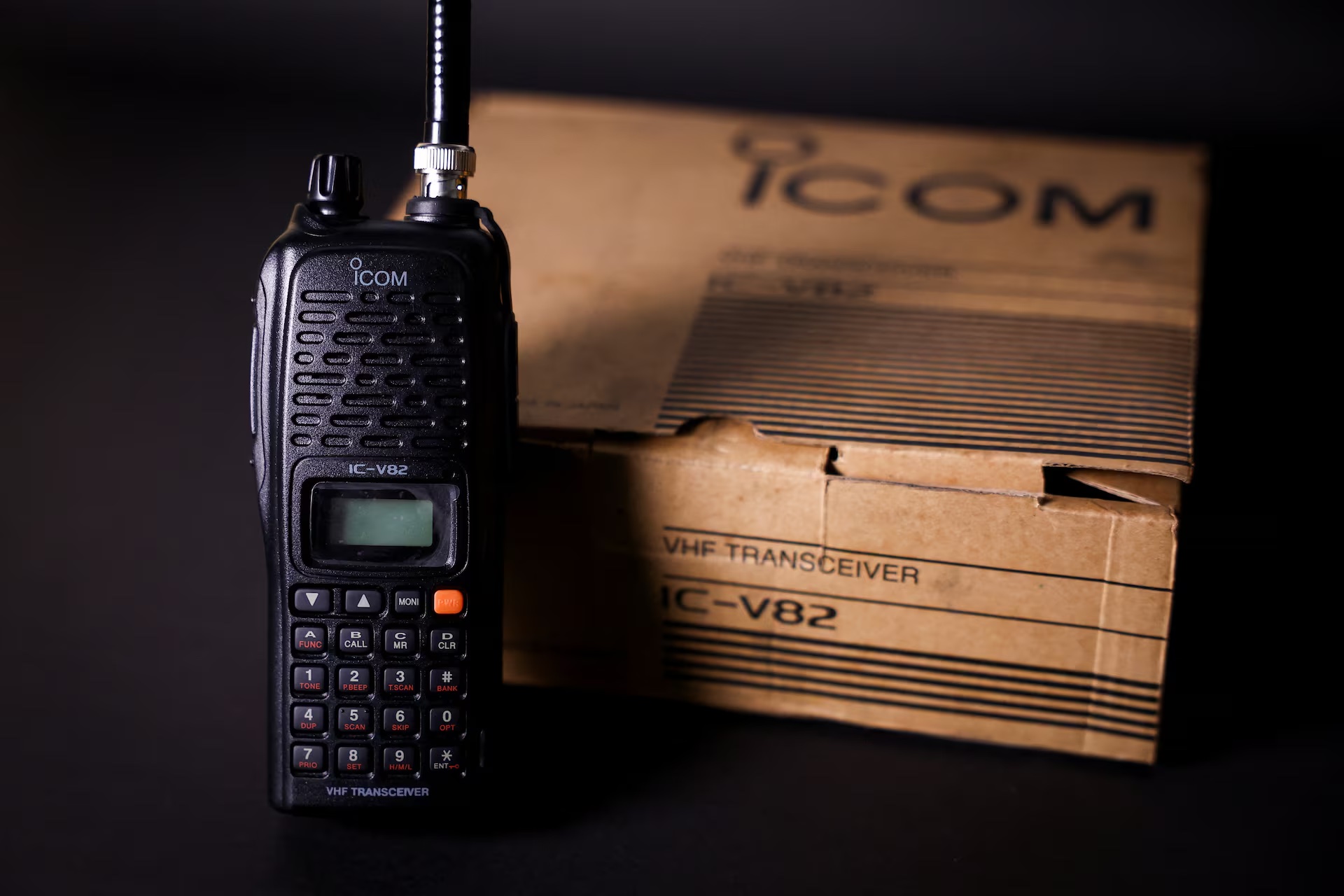
A security source confirmed to Reuters that the hand-held radios were purchased by Hezbollah five months ago, around the same time as the pagers. In response to the Arab states, the United Nations Security Council will meet on Friday to discuss and investigate the pager blasts.
Due to the nature of these attacks, Hezbollah’s retaliation against Israel was highly anticipated. On Wednesday, the militant group attacked Israeli artillery positions with rockets, the first strike at its regional foe since the blasts. In a subsequent statement, Hezbollah reiterated its support for Hamas in Gaza and warned Israel of an imminent response to the “pager massacre.”
Amidst growing tensions in Lebanon, travelers going to and from Lebanon’s Beirut-Rafic Hariri International Airport are prohibited from carrying pagers and walkie-talkies on flights. The ban on hand-held radios and pagers is effective immediately, according to an official statement published by the National News Agency (NNA).
*This article has been updated with details on the ban on walkie-talkies and pagers for travelers flying in and out of Lebanon.